
Skip to content
Veterans and Cancer Pocket Guide

Veterans and Cancer Pocket Guide

This resource provides information for veterans with cancer and their caregivers. It helps break down if veterans are more likely to have cancer, what happens after diagnosis, how to work with insurance companies, common questions and more.
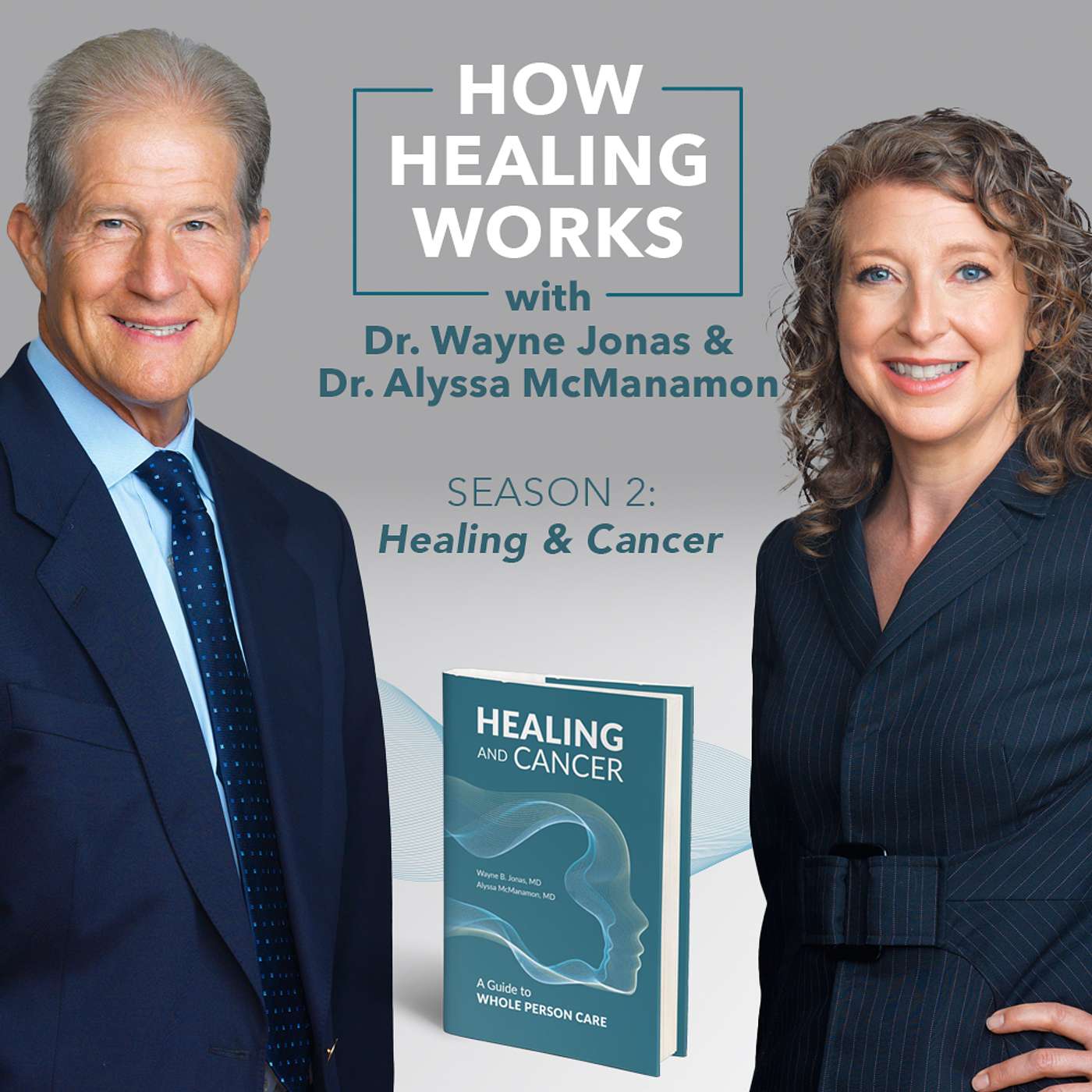
Survivorship and Wellness: how do we achieve both?

Survivorship and Wellness: how do we achieve both?

Send us a text SummaryDr. Randall Oyer discusses the Cancer Survivorship and Wellness Program at Penn Medicine's Ann B. Barshinger Cancer Institute. The program supports cancer survivors beyond the treatment…

How to Measure Nothing

How to Measure Nothing

In health care, if you do not name and document a problem or a process, it remains invisible. It might as well be nothing.  The biggest problem we have for…

Patient Education

With chronic illness, medical treatment alone is only responsible for up to 20% of improvement. The other 80% comes from lifestyle, behavior, and environmental causes outside the doctor’s office. We…

Treatment

Treatment

From the point of diagnosis, patients are thrust into an unknown and overwhelming situation. Outside of cancer, they have personal obligations that can also impact their health. Family, work, community—all of these areas are impacted by a cancer diagnosis.

Whole Person Primary Care

Whole person primary care is just good medicine. It is person-centered, relationship-based care, and it takes into account the social, spiritual, emotional, and behavioral aspects of health as well as…

Back To Top